Hemya
Healthy eating
made easy

Healthy eating
made easy

Hemya is the simplest way to start losing weight. Choose your ready meals from our menu or subscribe to one of our calorie-controlled meal plans

Subscribe now

Delicious and Nutritious Recipes

Delicious and Nutritious Recipes

Discover a variety of delicious and nutritious recipes that cater to your taste buds and health goals. Cooking made enjoyable and healthy with our step-by-step guides.

Try New Recipes
Meet The Team

Meet The Team

Your journey to health stars with our skilled dietitians and chefs!

Our Story

How do I start?

Calculate BMI

Calculate BMI

Use our online calorie planner to find the best package for you

Calculate your BMI
Get a recommendation

Get a recommendation

Let us find the best package for you. Our landline

contact us on WhatsApp
A la Carte Menu

A la Carte Menu

Hungry for healthy? Order from our a-la-carte menu.

Browse Our Menu

Popular Packages

Subscribe to one of our calorie-controlled meal plans

Hemya Iftar

Hemya Iftar

700 KCAL

Learn More
Ideal Weight

Ideal Weight

750 - 1500 KCAL

Learn More
Fit Package

Fit Package

1600 - 2500 KCAL

Learn More

Order from our A la Carte Menu

Wanna eat healthy but not ready to commit to package yet! Choose your ready meals from our menu
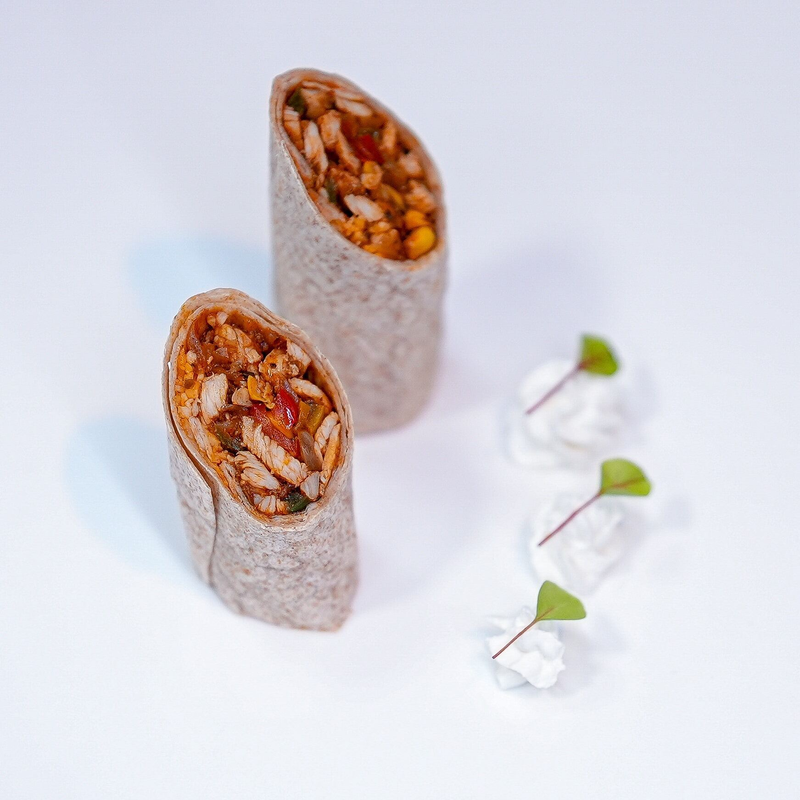
Chicken Fajita Sandwich
440 KCAL
Chicken Fajita Sandwich

Indulge in the delightful fusion of grilled chicken, sizzling fajita vegetables, and melted cheese wrapped in warm tortilla bread, creating a flavorful Chicken Fajita Sandwich with a satisfying Tex-Mex twist.

17g Fat • 24g Protein • 48g Carbs

Tandoori Chicken Caesar Sandwich
315 KCAL
Tandoori Chicken Caesar Sandwich

chicken breast sandwich with cheese

10.2g Fat • 21g Protein • 34.5g Carbs
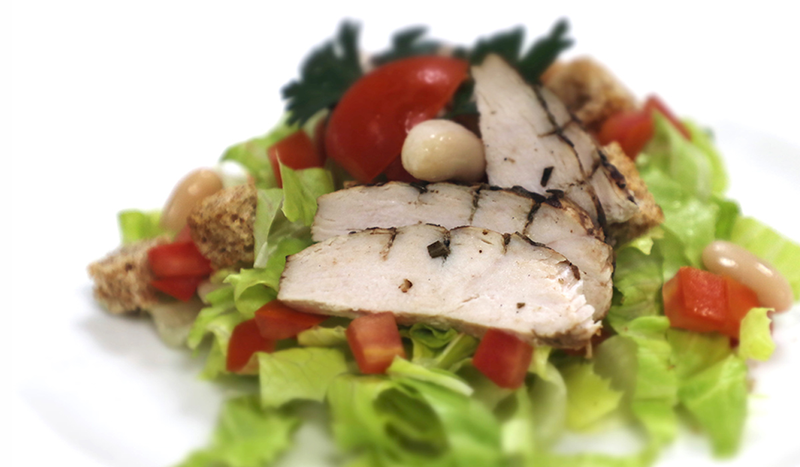
Italian grilled chicken salad
187 KCAL
Italian grilled chicken salad

An Italian grilled chicken salad combines tender grilled chicken with fresh Italian greens, tomatoes, olives, and Parmesan cheese, tossed in a zesty vinaigrette, creating a flavorful and satisfying dish.

10.6g Fat • 13g Protein • 11g Carbs
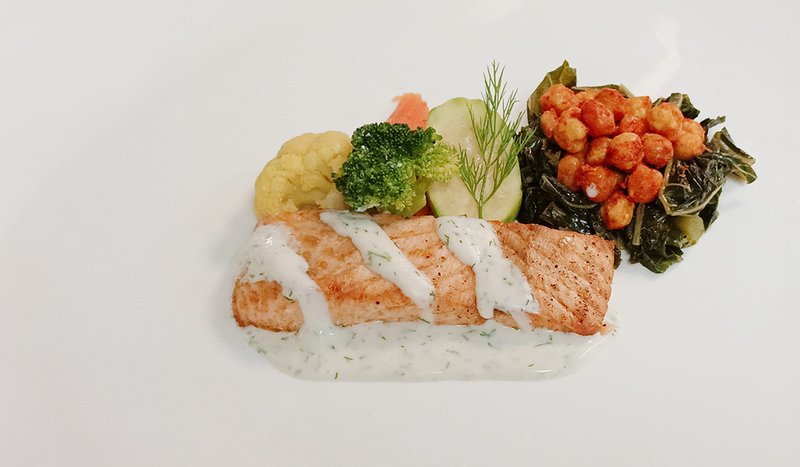
Roasted salmon with smoky chickpeas
374 KCAL
Roasted salmon with smoky chickpeas

Roasted salmon paired with smoky chickpeas creates a flavorful and satisfying dish with a delightful combination of textures and flavors.

18g Fat • 32g Protein • 23g Carbs

Updates

Your daily serving of nutrition tips, healthy recipes, and wellness wisdom!

More Updates
Tackling Picky Eating: A Guide for Parents
Blogs Tackling Picky Eating: A Guide for Parents
Picky eating is a common phase that many kids go through. It can be frustrating for parents, but with the right approach, it's possible to encourage healthy eating habits. Here are some tips:1. Create a Positive Eating Environment:Make mealtimes enjoyable: Playful music, colorful plates, and family conversations can make eating more appealing.Avoid distractions: Turn off TVs and phones during meals to focus on the food.2. Offer a Variety of Foods:Introduce new foods gradually: Start with small portions and combine them with familiar foods.Be patient: It may take multiple tries for a child to accept a new food.3. Avoid Power Struggles:Focus on the process: Rather than forcing kids to eat, emphasize the importance of trying new foods.Offer choices: Give kids options within healthy limits to foster a sense of control.4. Model Healthy Eating Habits:Lead by example: Children learn by observing their parents. Eat a variety of nutritious foods yourself.Remember, patience and consistency are key. With a positive approach, you can help your child develop healthy eating habits that will benefit them for life.
Read More
Stevia: A Natural Sweetener with Benefits and Considerations
Blogs Stevia: A Natural Sweetener with Benefits and Considerations
Stevia, a plant native to South America, has gained popularity as a natural sweetener alternative to refined sugar. It's derived from the leaves of the stevia plant and is significantly sweeter than sugar without the added calories.Health Benefits of SteviaCalorie-free: Stevia is a zero-calorie sweetener, making it a great option for those watching their weight.Blood sugar control: Studies suggest that stevia may help regulate blood sugar levels, making it a potential aid for individuals with diabetes or prediabetes.Dental health: Unlike sugar, stevia doesn't contribute to tooth decay.Natural: Stevia is a natural product, free from artificial additives and preservatives.Potential Side EffectsWhile stevia is generally considered safe, some individuals may experience side effects. These can include:Digestive issues: Some people may experience digestive problems like bloating, gas, or diarrhea when consuming stevia.Bitter aftertaste: Stevia can have a bitter aftertaste, especially when used in large quantities.Interactions with medications: If you're taking certain medications, especially blood pressure medications, it's important to consult with your healthcare provider before using stevia as it may interact with these drugs.ConclusionStevia offers a natural and calorie-free alternative to refined sugar. While it provides several health benefits, it's essential to be aware of potential side effects and to consume it in moderation. If you have any concerns or underlying health conditions, consult with a healthcare professional before incorporating stevia into your diet.  
Read More
Gut Bacteria: The Secret to Weight Loss?
Blogs Gut Bacteria: The Secret to Weight Loss?
Have you ever wondered why some people can eat whatever they want and stay slim, while others struggle with weight gain despite a healthy diet? It turns out, our gut bacteria might play a significant role in this.Gut bacteria, or the microbiome, is a complex ecosystem of microorganisms that live in our digestive tract. These tiny organisms have a profound impact on various aspects of our health, including our metabolism and weight.Research has shown that individuals with obesity often have a different composition of gut bacteria compared to those with a healthy weight. This difference can influence how our bodies absorb and process calories. For example, some gut bacteria may be more efficient at extracting energy from food, leading to weight gain.So, can manipulating our gut bacteria help us lose weight? While more research is needed, there's growing evidence that it's possible. Probiotic supplements and dietary changes can help promote the growth of beneficial gut bacteria. Additionally, prebiotics, which are foods that feed these beneficial bacteria, can also be beneficial.Remember, while gut bacteria play a role in weight management, it's not the only factor. A healthy diet, regular exercise, and adequate sleep are also crucial for maintaining a healthy weight. By understanding the connection between gut health and obesity, we can make informed choices to support our overall well-being.
Read More
Healthy Cooking: The Right Materials
Blogs Healthy Cooking: The Right Materials
Choosing the right materials for your cookware can significantly impact your overall health. Certain materials can leach harmful chemicals into your food, while others can promote healthier cooking methods. Here are some of the best options:Stainless Steel: Durable, versatile, and non-reactive, stainless steel is a popular choice for cookware. It can be used on various heat sources and is easy to clean.Cast Iron: Known for its excellent heat retention and distribution, cast iron cookware can be seasoned to create a non-stick surface. However, it requires more maintenance than other materials.Glass: Ideal for baking and braising, glass cookware is non-reactive and allows you to see your food as it cooks. It's also easy to clean and can be used on both stovetop and oven.Ceramic: Ceramic cookware is non-toxic, non-stick, and often comes in vibrant colors. It's suitable for various cooking methods, but it can be fragile.Silicone: Perfect for baking and storing food, silicone cookware is heat-resistant, non-stick, and dishwasher-safe. It's also flexible and easy to store.Avoid: Teflon-coated cookware, as it can release harmful chemicals when heated at high temperatures.By choosing the right materials for your cookware, you can promote healthy cooking and enjoy delicious, nutritious meals.
Read More
The Correlation Between Breast Cancer and Obesity
Blogs The Correlation Between Breast Cancer and Obesity
*There is a strong link between obesity and an increased risk of developing breast cancer, especially after menopause.Hormones:Estrogen: Excess body fat can produce more estrogen, a hormone that can stimulate the growth of breast cells.  Insulin: Obesity can lead to insulin resistance, which can also increase estrogen levels.  Inflammation: Obesity is often associated with chronic inflammation, which can create an environment that promotes cancer growth.  Chronic Diseases: Obesity is linked to several chronic diseases, such as diabetes and heart disease, which can also increase breast cancer risk.*When Does Obesity Become a Risk Factor?Pre-menopause: While there's some evidence suggesting a slightly decreased risk of premenopausal breast cancer in overweight or obese women, it's important to note that this is a complex relationship.Post-menopause: Obesity is a significant risk factor for postmenopausal breast cancer. The risk increases as body mass index (BMI) rises.  *What Can You Do?Maintain a healthy weight: Aim for a BMI within a healthy range.  Eat a balanced diet: Focus on fruits, vegetables, whole grains, and lean proteins.  Regular exercise: Aim for at least 150 minutes of moderate-intensity exercise per week.  Limit alcohol consumption: Excessive alcohol intake can increase breast cancer risk.  Consult a healthcare professional: If you have concerns about your weight or breast health, talk to your doctor.Remember, while obesity is a risk factor, it's important to note that not everyone who is obese will develop breast cancer, and not everyone with breast cancer is obese. Early detection and regular screenings are crucial for breast cancer prevention and treatment.  
Read More
Food Intolerance vs. Food Allergy
Blogs Food Intolerance vs. Food Allergy
Food intolerance and food allergy are often confused, but they are distinct conditions. Here's a breakdown of their key differences:   Food IntoleranceImmune system involvement: Does not involve the immune system.  Symptoms: Typically limited to the digestive system, causing symptoms like bloating, gas, diarrhea, or constipation.  Severity: Usually less severe than food allergies.  Triggers: Can be caused by a variety of factors, including enzyme deficiencies (like lactose intolerance), sensitivity to food additives, or naturally occurring chemicals in foods.  Treatment: Often managed by avoiding the offending food or using specific dietary strategies.  Food AllergyImmune system involvement: Involves an overreaction of the immune system, treating the food as a harmful invader.  Symptoms: Can affect multiple body systems, including the skin (hives, eczema), respiratory system (wheezing, difficulty breathing), and digestive system (vomiting, diarrhea). In severe cases, can lead to anaphylaxis, a life-threatening allergic reaction.  Severity: Can be mild to severe, with the potential for anaphylaxis.  Triggers: Caused by a specific protein in the food, even in small amounts.  Treatment: Requires strict avoidance of the allergen. In severe cases, epinephrine (adrenaline) may be prescribed as an emergency treatment.  If you suspect you have a food intolerance or allergy, it's important to consult with a healthcare professional for proper diagnosis and management.
Read More
The Link Between PCOS and Obesity
Blogs The Link Between PCOS and Obesity
Polycystic Ovary Syndrome (PCOS) and obesity are often intertwined.*Here's a breakdown of the connection:Insulin Resistance: One common factor in both PCOS and obesity is insulin resistance. This means the body doesn't use insulin effectively, leading to higher blood sugar levels.  Hormonal Imbalances: PCOS is characterized by hormonal imbalances, particularly increased levels of male hormones (androgens). These hormones can contribute to weight gain, especially in the abdominal area.  Increased Risk of Obesity: Women with PCOS are more likely to be overweight or obese compared to women without the condition.  Exacerbating Symptoms: Obesity can worsen the symptoms of PCOS, such as irregular periods, acne, and excessive hair growth.  *It's important to note that:*Not Everyone with PCOS is Obese: While obesity is common in PCOS, not everyone with the condition is overweight.  *Weight Loss Can Improve PCOS Symptoms: For those with PCOS and obesity, losing weight can help improve symptoms and overall health.  *Treatment is Key: If you have PCOS, it's essential to work with a healthcare provider to develop a treatment plan that addresses both your PCOS and any weight management concerns.  
Read More

Share your moment with us #hemya

Follow us on Instagram {'@'}hemya_center

Hemya Instagram
Hemya Instagram
Hemya Instagram
Hemya Instagram
Follow Us